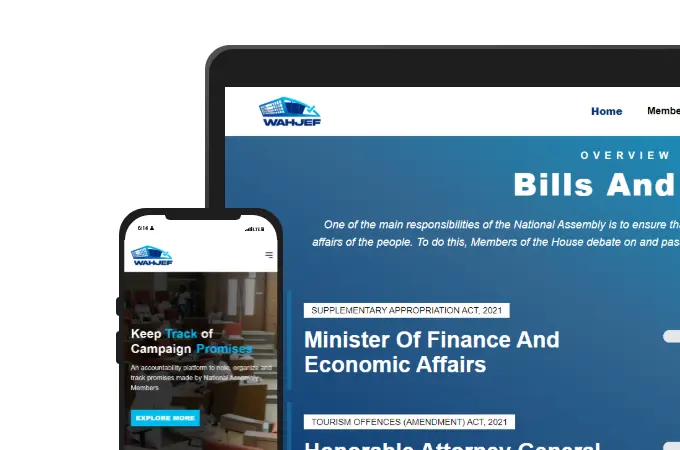
Introducing WahJef
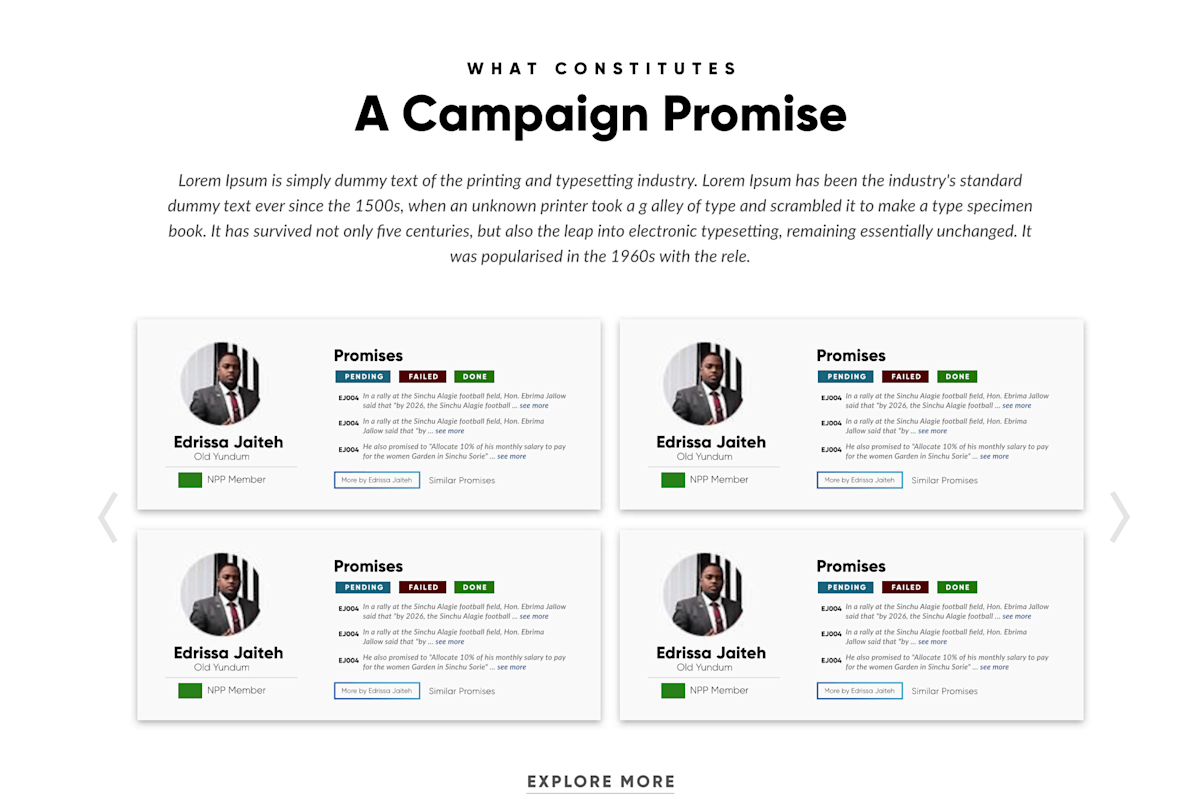
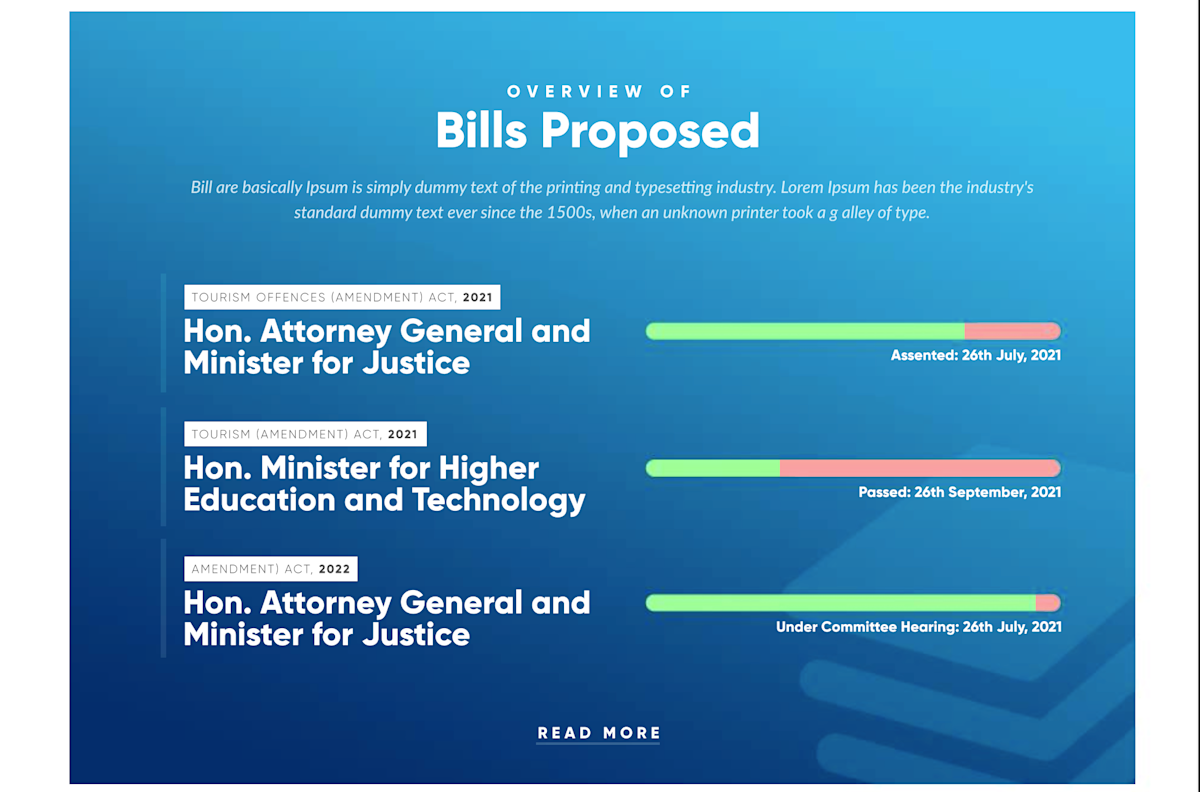
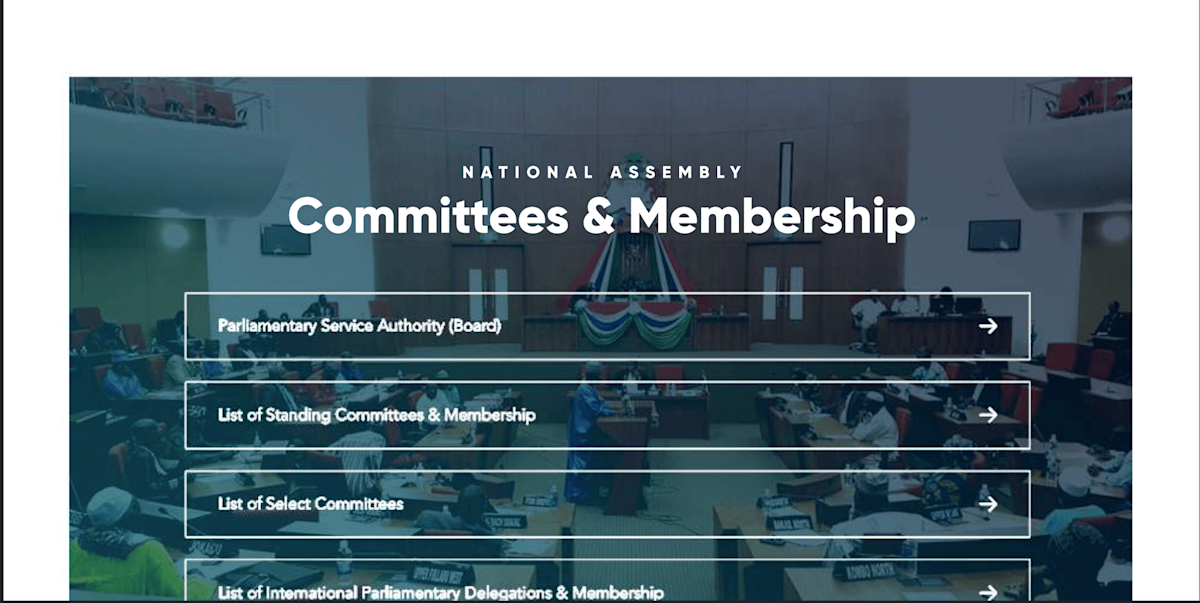
Enhancing Transparency and Accountability in Governance. Wahjef is a groundbreaking platform designed to revolutionize the way campaign promises made by national assembly members are tracked and monitored. This innovative system goes beyond tracking promises; it provides citizens with in-depth information about parliament members, their committee involvement, and a comprehensive database of bills and acts. With Wahjef, citizens gain unprecedented access to the legislative process, empowering them to actively engage in monitoring and evaluating the performance of their elected representatives.
Ubiquity of Content meets User Experience Design
This section explores the challenges and solutions in building a comprehensive platform to track campaign promises, provide information about parliament members, committees, bills, and acts, empowering citizens for greater transparency and accountability.
Ensuring the sustainability of the Wahjef platform by regularly updating and maintaining the system poses ongoing challenges. Keeping up with evolving political landscapes, legislative changes, and technological advancements requires dedicated resources, efficient processes, and a proactive approach to system maintenance.
Building a robust technical infrastructure that can handle a large volume of data, accommodate future growth, and ensure optimal performance is a challenge. Scaling the platform to support increasing user traffic and maintaining system responsiveness and reliability are crucial considerations.
Encouraging citizen engagement and fostering widespread adoption of the Wahjef platform presents a challenge. Overcoming apathy and motivating citizens to actively participate in monitoring parliamentary performance requires effective communication, user-friendly interfaces, and very sophisticated search engine optimizations.
Managing and integrating vast amounts of data from multiple sources can be challenging. Ensuring data consistency, standardization, and compatibility across various datasets requires careful data management and integration strategies.
The Eyes & Ears of the people
This section delves into the key goals of the project, focusing on tracking campaign promises, promoting transparency, facilitating access to legislation, and fostering citizen engagement.
Create a web application that effectively monitors and records the campaign promises made by national assembly members to their constituencies during pre-election campaigns.
Provide detailed information about parliament members, including their profiles, committee affiliations, and legislative activities, to promote transparency and accountability.
The platform should enable easy access to information on bills and acts, ensuring citizens can stay informed about the legislative process and outcomes.
Encourage active citizen participation by offering a comprehensive platform that enables citizens to actively monitor and assess the performance of their elected representatives and the progress of promised initiatives.
Fully Responsive Web Application
Wahjef is designed to address the challenges of accountability by providing a user-friendly platform that enables citizens to track and monitor campaign promises made by national assembly members. The platform offers detailed information about parliament members, their committees and party affiliations, and the status of bills and acts. Through Wahjef, citizens can access transparent and up-to-date data, fostering informed decision-making and holding representatives accountable. The solution empowers citizens to actively engage in the political process and contributes to a more transparent and accountable governance system.
Intersection of Agile and Lean
At Assutech, we leverage a hybrid approach that combines the best of Agile and Lean software development processes. This unique blend allows us to maximize efficiency, and deliver high-quality software solutions to our clients.
- Step 1Customer-Centric Approach
Our hybrid approach places a strong emphasis on customer collaboration and feedback. We involve our clients in every stage of the development process, ensuring that their requirements are met and their expectations are exceeded. Regular checkpoints and demos allow for timely feedback and course corrections.
- Step 2Iterative Development
We break down the software development lifecycle into smaller, manageable iterations. Each iteration includes planning, development, testing, and deployment activities. This iterative approach allows us to deliver functional increments of the software at regular intervals, enabling early validation and reducing the risk of rework.
- Step 3Cross-Functional Teams
Our development teams consist of diverse skill sets, including software and machine learning engineers, UX/UI designers, quality assurance specialists, and project managers. This cross-functional composition enables seamless collaboration, effective knowledge sharing, and efficient problem-solving.
- Step 4Retrospectives and Continuous Improvement
Regular retrospectives rooted in "Sprint Retrospectives" allow us to reflect on our processes, identify areas for improvement, and implement necessary changes. We believe in a culture of continuous learning, encouraging our team members to share insights and suggestions that drive innovation and efficiency.


More case studies
See all
Logix
A Fuel Coupon Management Software

Senekart
Senekart - Multi Vendor eCommerce Platform

GCCI COO
GCCI Certificate of Origin Software - Establishing the origin of goods.